


By Saeed Muhammad Lawan
POTISKUM, Nigeria — For Muhammad Bello, a 27-year-old university graduate, the arrival of the Harmattan season is a form of domestic imprisonment. “When my neighbor burns his refuse, I have no voice to complain,” says Bello.
He is an asthmatic patient, whose lungs cannot compete with the thick fumes of burning modern waste. “I lock my doors, I stay inside, else I face a crisis that could kill me.”
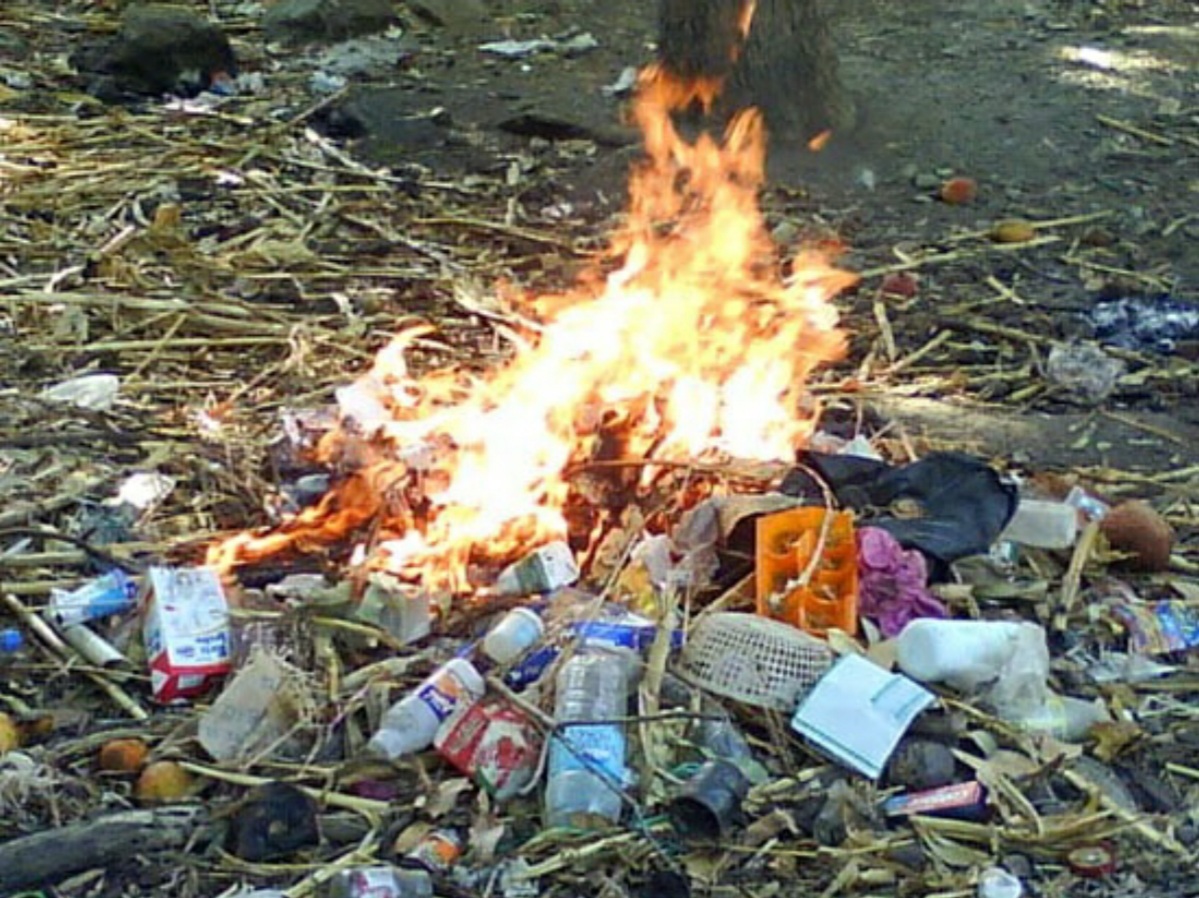
He narrated that when his neighbor ignites the day’s collected refuse, a mountain of plastic, organic waste, and synthetic scraps, the air turns into a thick, grey curtain. For him, the smoke is a physical assault.
“I have no choice but to leave the area or lock myself inside,” Bello says, his voice reflecting the exhaustion of a man held hostage by his own environment. “If I don’t, I face the consequences of a severe breathing crisis.”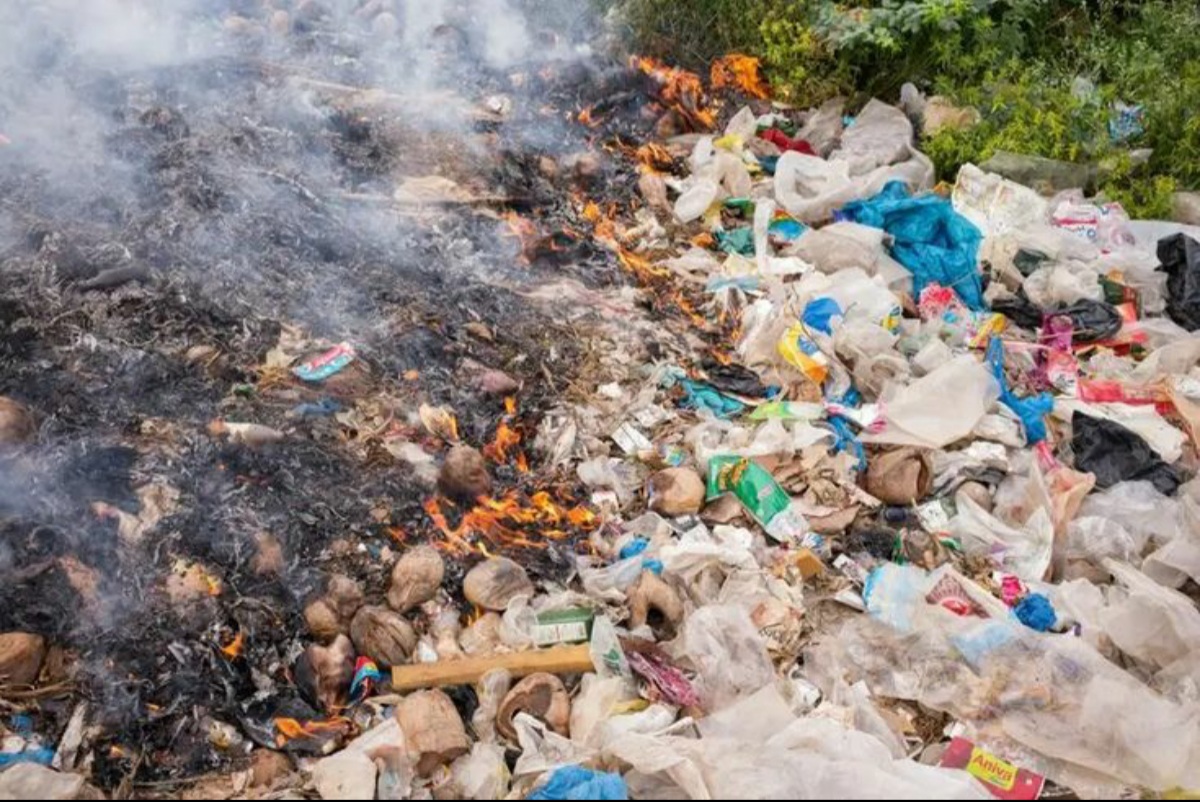
The Fertilizer of the Poor
A few streets away, the man lighting the match is not a villain, but a farmer caught in an economic vice. Mal Danjuma knows the smoke is acrid, but he sees a different value in the embers. ”Modern fertilizer is too costly,”
Danjuma explains, poking at the smoldering heap. For him, the ash left behind by the burnt refuse is a “local fertilizer” , a desperate man’s alternative to the expensive chemicals needed to coax life from Yobe’s hardening soil.
To feed his family, he inadvertently poisons his neighbor. The crisis in Potiskum is not hidden. It is happening at the gates of the Old Prison, and more alarmingly, at Primary Health Care centers and the Ramin Kasa area.
These are locations where the city’s most vulnerable, the sick, the incarcerated, and the poor—are forced to inhale a cocktail of toxins. ”Burning refuse has been a silent killer for a very long time,” says Ali Haruna, a local public health expert.
Haruna points out that when plastic and medical waste are burnt at low temperatures in open pits, they release dioxins and black carbon. These aren’t just local irritants; they are “short-lived climate pollutants” that trap heat thousands of times more effectively than carbon dioxide, intensifying the very heatwaves and droughts that are already punishing Yobe state. 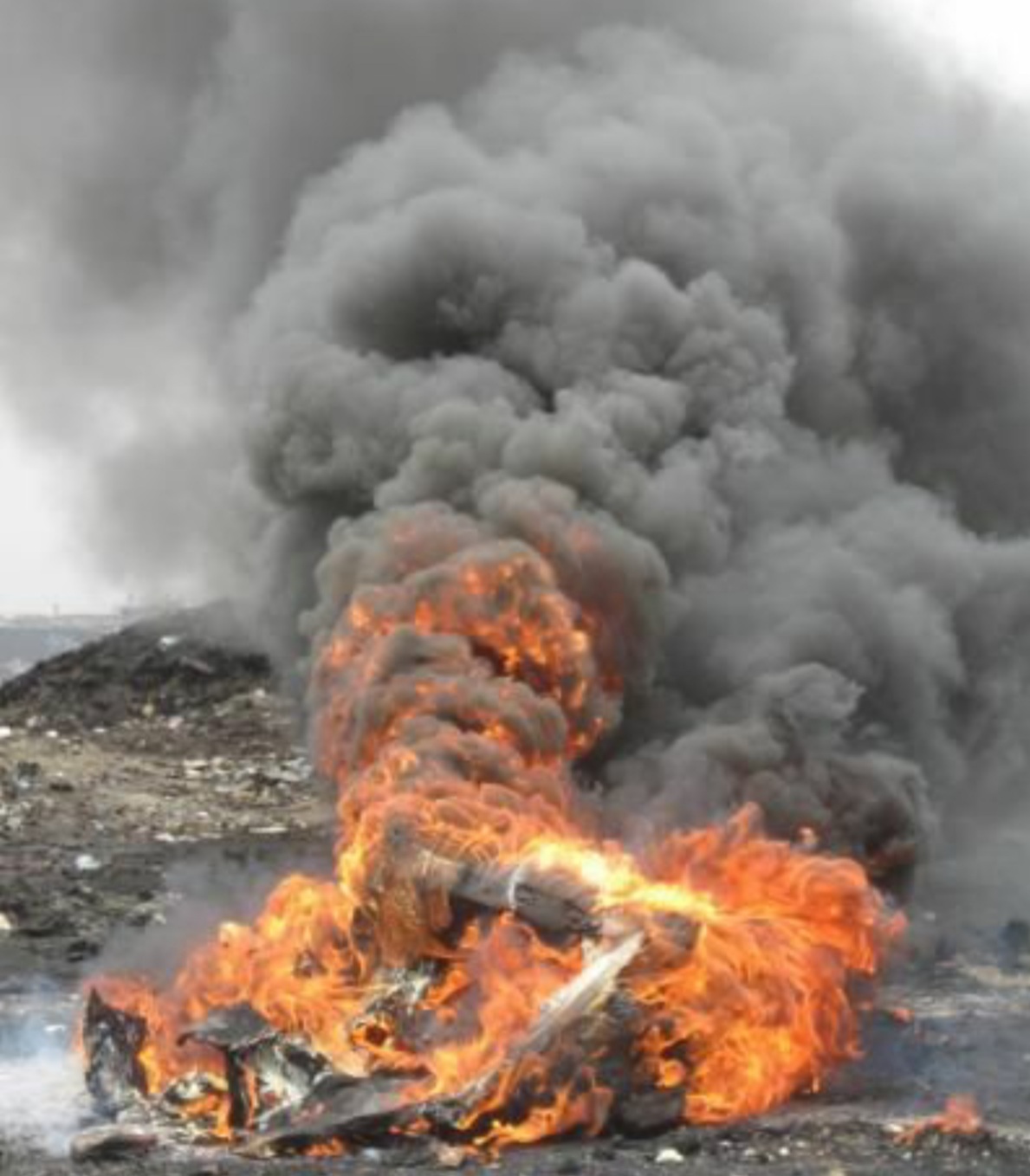
The ₦10 Billion Paradox
The tragedy of Potiskum’s air quality is not a lack of funding, but a lack of infrastructure. The Yobe State Government recently allocated a staggering ₦10.12 billion for “Environment and Desertification Control” in its 2025 budget.
Yet, on the streets of Potiskum, there is no evidence of a systematic waste management grid. There are no scheduled collection trucks, no lined landfills, and no industrial composting facilities that could provide Danjuma with the fertilizer he needs without the fire.
Without a trash-to-trench system, the ₦10 billion remains a number on a ledger, while the people continue to live in a cycle of slow violence. Whereas, the simple act of cleaning a yard contributes to the warming of the planet and the clogging of a young man’s lungs.
