


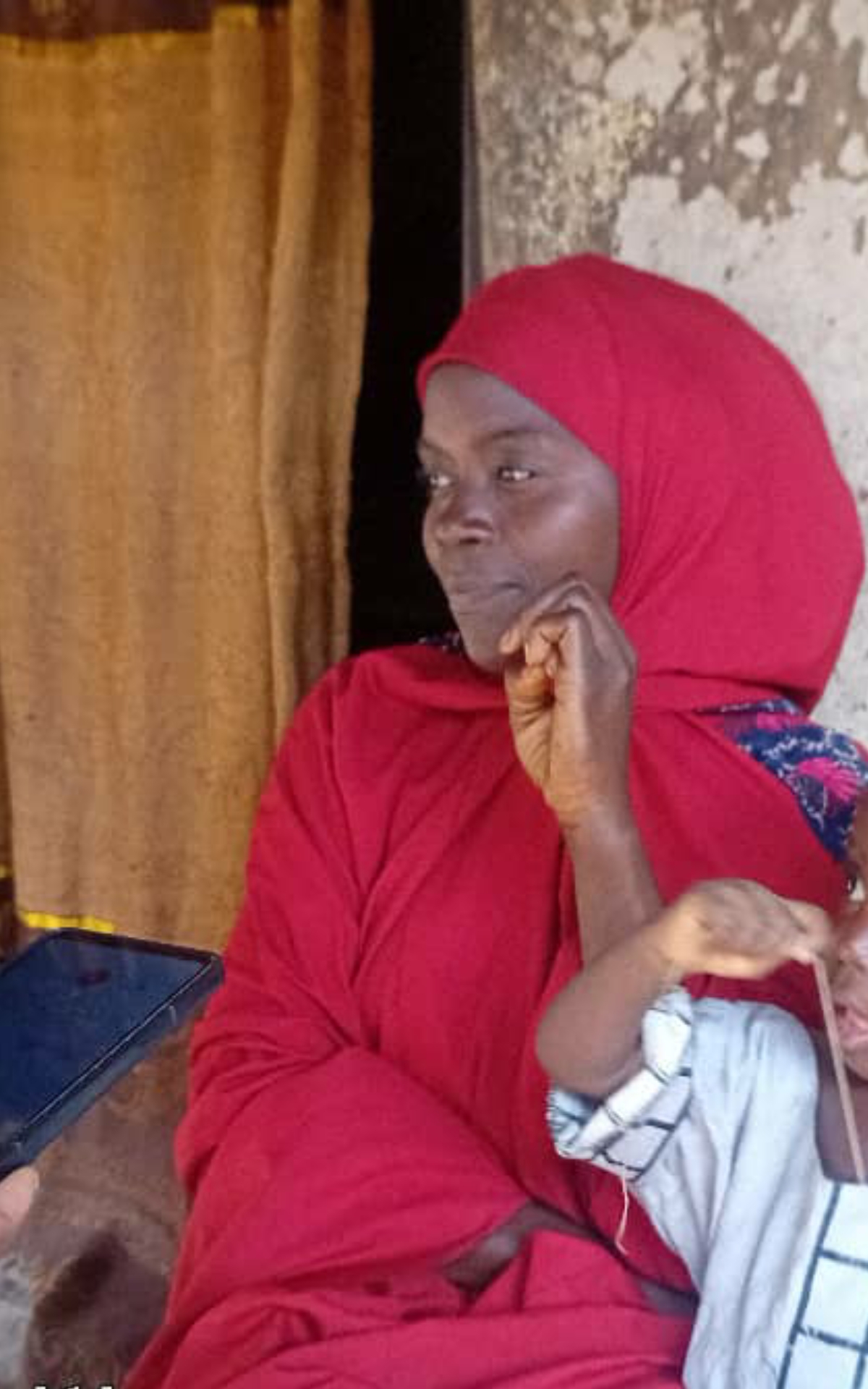
Wudil, Kano —Sept. 26, 2025
For 38-year-old Aisha Adamu, the joy of motherhood came with heartbreaking struggles. As a mother of five from Gindabe settlement in Wudil, she endured serious injuries during childbirth, complications she later learned were linked to inadequate spacing between her pregnancies.
Her health deteriorated, her strength waned, and her family’s livelihood suffered as she struggled to cope.
Hope came from an unlikely source, her husband who came home sensitised one day after a mosque sermon on the importance child spacing on family health and well being.
With his consent and encouragement, Aisha accessed Family Planning services at a nearby health facility, a decision that became a turning point, as her health improved drastically, and her household began to flourish.
Today, Aisha is not just a survivor but a role model in her community. She runs a thriving food vending business and other small ventures from home, sustained by her renewed strength and well-being.
“Family planning saved my life and gave my children a healthier mother,” she said with a smile.
The young mother, confirmed that “Before, if you mention family planning in our community, people usually think you want to go against God.
“When the imam explained spacing during Friday prayer, my husband and I spoke about how many children we could raise well and we decided together.
“I want other women to know that it is not about stopping births, but about spacing them for better health.”
Over the past few years, a coordinated intervention by MSI Family Choices, Society for Family Health (SFH), and strong alliance with local stakeholders (civil society based organisations, religious leaders, community health workers, teachers, and local government officials), has shifted the narrative.
Where silence once blocked access, advocacy and meaningful stakeholder engagement has created spaces for open dialogue amongst men and women (couples), men’s groups and in health oriented high schools, an event that crucially widened women’s reproductive choices in some communities in Kano.
By nature of the core Northern Nigerian states, Rano and Wudil local councils of Kano, are predominantly rural communities where traditional and religious norms shape daily life.
Myths and misconceptions about contraception, fears about side effects, and the belief that family planning conflicts religious teachings, kept uptake low. Men, as household decision-makers, were often excluded from programming, which left women negotiating sensitive decisions alone under cover.
Adolescents lacked safe, factual outlets for questions about sexual and reproductive health.
There was a sudden shift when implementers moved away from a top-down clinical model and embraced a stakeholder-centered strategy.
Stakeholders, precisely MSI and SFH worked with traditional rulers, religious leaders, men’s committees and Women groups to reframe child spacing and change the narrative to a positive one.
Rather than presenting contraception as a foreign agenda, advocates connected family planning to maternal health, economic stability and Islamic teachings on responsible parenting.
Community health workers tagged MS Ladies, received trainings in contraceptive counseling, method choice and respectful care. They provided mobile outreach clinics and supply-chain improvements which greatly reduced stockouts and brought services closer to remote settlements.
Women’s networks were supported to lead peer-education, savings groups, and participatory sessions that connected reproductive health choices to livelihood goals.
Evidence of impact are more than numbers as the outcomes are visible at multiple levels. Local health workers and community leaders report increased clinic visits for family planning information and services.
A community service provider for Family Planning and In reaches, Mr Ahmad Sani, explained to journalists during the field trip, that the project has achieved in creating demand for the services in rural communities. 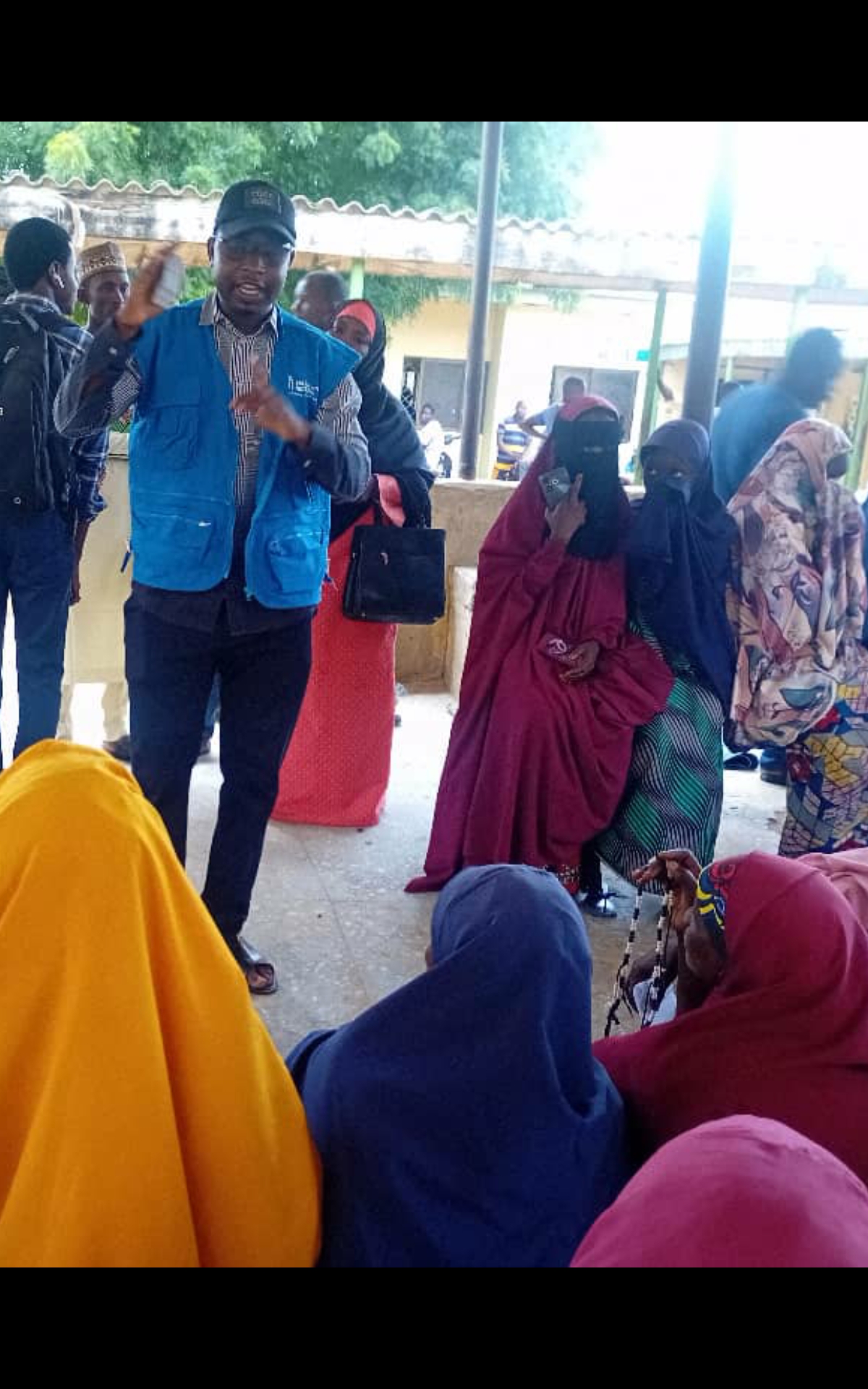
Ahmed Sani, FP Service Provider interacting with women of reproductive age on Family Planning at a facility in Wudil.He explained that Kano state is taking stake in the project, scaling up (synergy), engaging in competency assessment and providing linkage gaps.
Another service provider Hajiya Hasiya Ado Rano, is an MS Lady, trained on providing Family Planning services at community levels also provides said they provide medical outreach to remote communities.
She admitted that where women previously sought covert solutions, they now come with partners to access the services, despite some challenges of shortage of commodities sometimes.
Also, some Imams in the communities, said with the new information disseminated, they are being approached by congregants who want clarification after sermons referencing responsible child spacing.
The Kano state Reproductive Health Coordinator, Mrs Zahrau, confirmed that sensitivity to Family Planning has drastically reduced in Kano as advocates conduct hitch free mobilization.
She explained that Kano with 13 per cent fertility rate had procured commodities and had a budget allocation of N100 million in January 2025, to implement the domestication of the Procurement guideline policy (2024).
The RH coordinator further stressed that the state has included People with Disability into the Reproductive and Family Planning services through the Basic Healthcare Provision Fund.
The impact of the intervention goes beyond service statistics. The most significant change is social.
In both communities visited during the Solutions Journalism Field Trip, it was clear that family planning is no longer an invisible or forbidden topic. It has entered everyday conversation at the men’s assemblies, mosque study circles, and in schools.
The situation has visibly reduced stigma and empowered more people to explore various family planning options without fear.
However, the experience in Rano and Wudil communities, shows that when advocacy meets genuine stakeholder engagement, long-standing barriers to family planning can be weakened.
By spotlighting local beliefs, involving men, equipping adolescent channels, and strengthening services, MSI Family Choices, Society for Family Health, and partners have helped in creating not only higher service use, but a cultural shift.
Reproductive health is now a shared community concern and women have clearer avenues to take charge of their reproductive lives. The work is ongoing, but the model provides a practical playbook for similar rural communities seeking to move from silence to informed choice.
Aisha Ahmed ✍
