


Jigawa, Dutse Nov. 10, 2025
By Aisha Ahmed
In the heart of Northern Nigeria’s Jigawa State, in about 300 communities, lies a revolution that is saving children’s lives, empowering mothers, and reshaping how communities should fight the global menace of malnutrition.
The Masaki Initiative, a modest community-led nutrition program, is taking a spotlight as one of Nigeria’s most effective and sustainable models for tackling child malnutrition from the grassroot.
United Nations Children Fund (UNICEF), defines malnutrition is a direct or underlying cause of 45 per cent of all deaths amongst children.
According to UNICEF, malnutrition in Nigeria is on the rise, driven by conflict, forced displacement, and increasing food insecurity, due to limited accessibility and affordability.
The report indicated that Nigeria currently has the highest number of malnourished children in Africa and the second highest globally, with over 9 million children wasted.
It also reported that Jigawa state faces a high burden of malnutrition, with 64% of children stunted, 9.6% wasted, and 81.9% suffering from anemia while over 80% of children experience food poverty.
The Masaki initiative was launched in 2018 inder the Child Nutrition Fund and slided from desperation to determination, just like many other rural communities in northern Nigeria, who battle with an increasing rate of child malnutrition, poor dietary practices and limited access to health care.
The turning point came when the Jigawa State Government, supported by partners like the United Nations Children’s Fund (UNICEF), launched the Masaki Initiative, a community-based effort to strengthen local nutrition systems, through awareness, empowerment and food diversification.
The uniqueness of the Masaki model is that it is beyond just feeding, unlike the traditional interventions that focus on solely on food distribution, it adopts a holistic, homegrown model.
It combines nutrition education, women empowerment, local farming innovation, community participation which focuses on early detection and providing nutritional support to vulnerable groups like pregnant women, adolescent girls, and children under five.
A key driver of the Jigawa’s Masaki model’s success is economic empowerment. Through small-scale farming cooperatives and backyard gardens, women now grow nutrient-rich foods such as sweet potatoes, moringa and soybeans, as well as green vegetables which are used to make affordable, high-protein meals for their children.
The dual focus on nutrition and livelihoods has made the program sustainable and community-owned since it was solely funded by the local government, with supoort from state and technical support from developmemnt partners.
On October 29, 2025 , a delegation from Kwara state, with support from UNICEF Nigeria, Kaduna Field Office, visited some Masaki sites across Jigawa, to explore and measure the impact of the Masaki model, with an aim to implement same in Kwara state.
At one of the sites in Dutse, the Primary Health Manager in the area, conducted the Kwara’s team through the process and confirmed that routine screenings showed improved child growth indicators, while exclusive breastfeeding rates have doubled in some wards.
The impact of the project witnessed on site, attracted the Kwara state’s Commissioner for Budget and Economic Planning, Dr Mary Arinde, and she commended Jigawa for mobilising a large number of women to the si
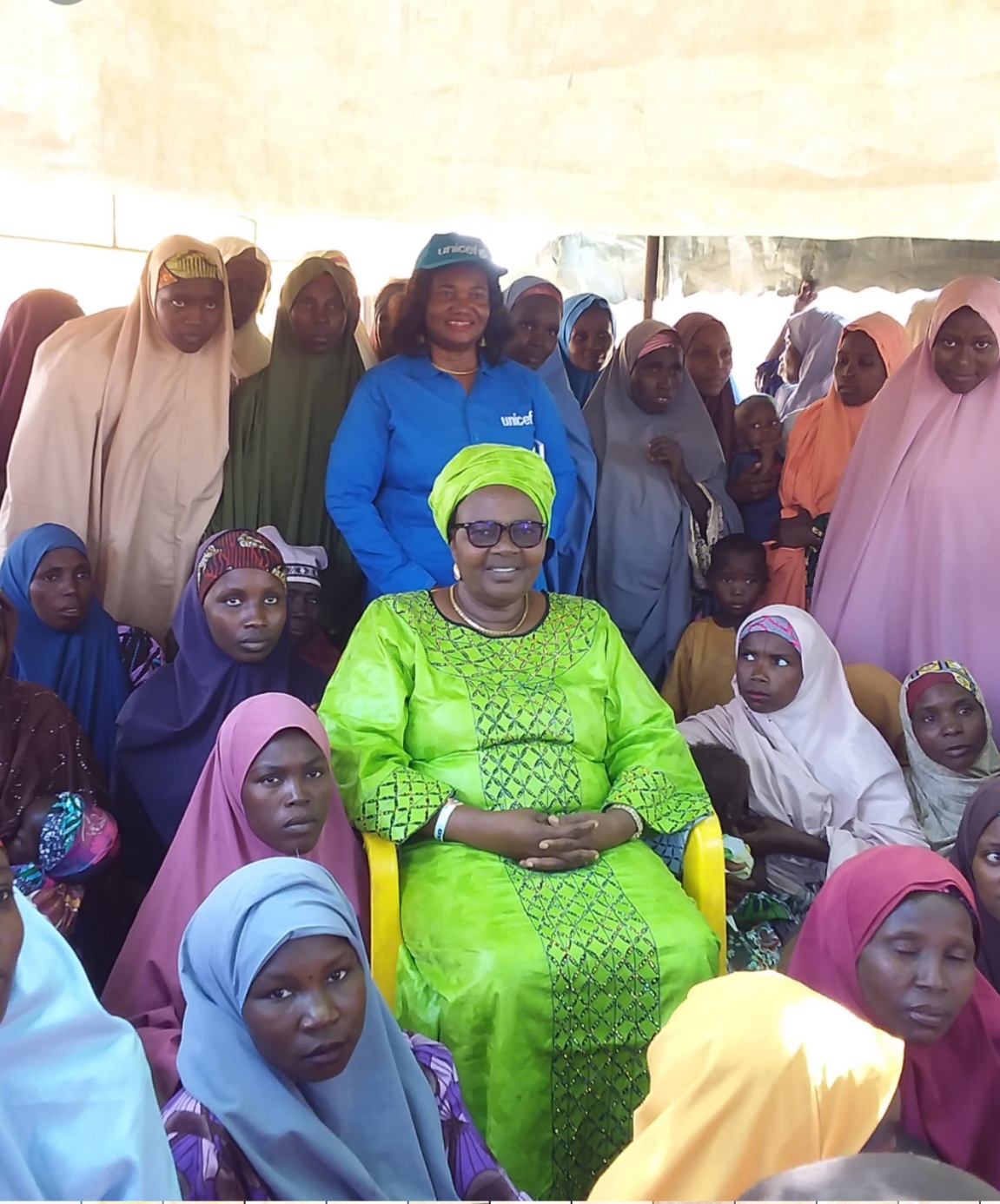
According to her, the team has seen and felt the impact of the program, meanwhile they were impressed with the outcome and described it as excellent model for adoption to other communities.
While receiving the team on a courtesy call, Jigawa state Commissioner for Health, Dr Abdullahi Kainuwa, said explained the impact of the project over time.
He revealed that some states like Katsina, Borno and Zamfara have also visited Jigawa state to measure the model because of its impact, saying that the Masaki session holds twice weekly at selected sites, with sanitisation of the environment and creating a safe space for children.
A nutritionist on one of the sites, Mrs Hauwa Jibril, said the weekly sessions were held on Wednesdays and Thursdays at the various sites simultaneously.
On Wednesdays she said, service providers engage mothers on health talks on maternal nutrition, early initiation, exclusive breastfeeding and water sanitation and hygiene at household levels.
“The stakeholders targetted on this day are the young caregivers, young women of 9 to 15 years weither married or not so that we catch them early.” She said.
She revealed that nutritious food receipies were prepared and distributed to mothers and their children so that mothers can adopt the menu.
Mrs Jibrin stressed that on the second Masaki day at various sites, children with severe acute malnutrition attended to and referred to the Out Patient Therapeutic feeding Program centres.(OTP)
A community volunteer, Mrs Hairana Adamu from Kagadama Masaki site during the field trip, said they were trained to identify children who are at risk and refer them for treatment bridging the critical gap between households and health centers.
Local health facilities she said, recently reported fewer admissions for malnutrition-related complications.
Mr Ghali Muhammed, a service provider at Sankara curative Centre, explained to the team that Wednesdays are preventive days and they give health talks on prevention tips as well environmental and sanitary hygiene.
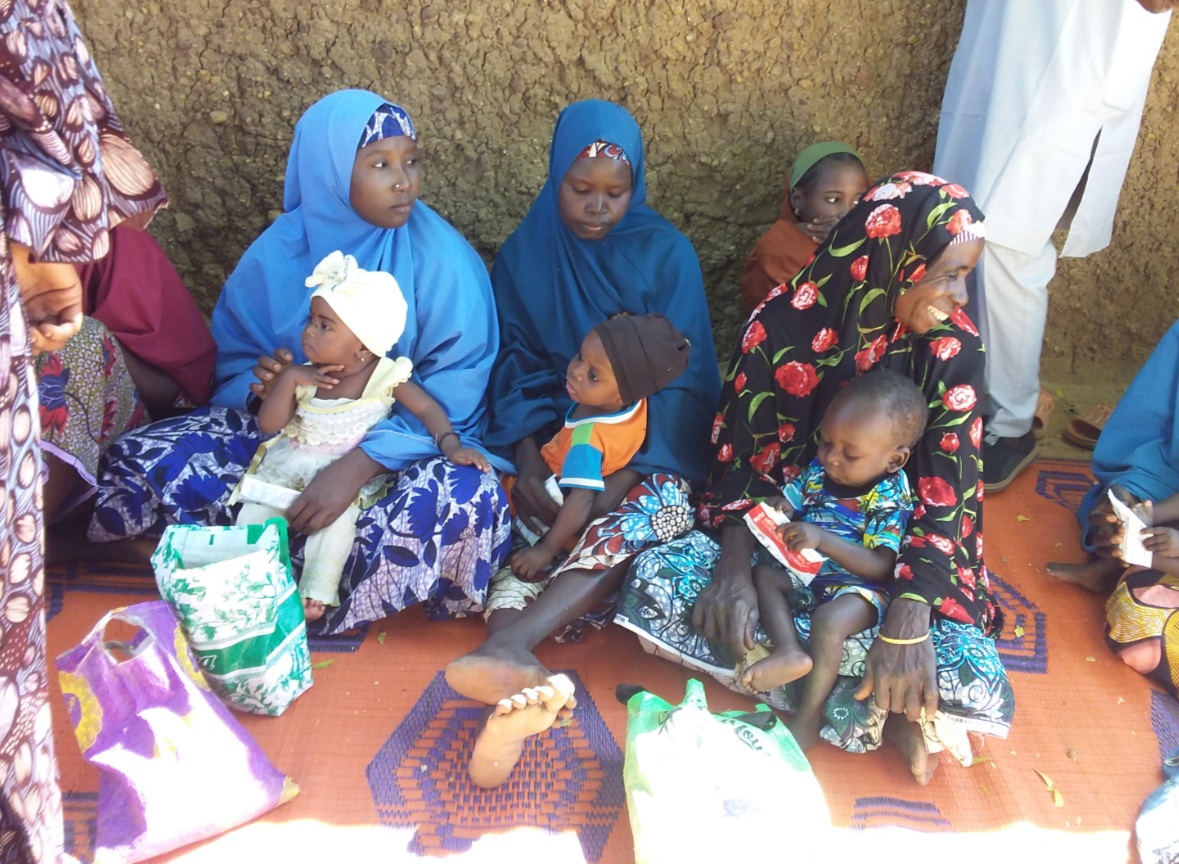
“Usually Thursdays are curative days where highly malnutritioned children were attended to and referred to health facilities for better care and stronger services.
Mr Surajuddeen Kayode-Alimi, of the Kwara state Ministry of Planning and Economic Development, said the Masaki is a project worthy of emulating due to its sustainability.
According to him, Masaki is a proof that locally driven solutions can achieve national impact, adding that the project is a symbol of building a culture of nutrition consciousness and self-reliance.
He noted that the state is developing an action plan to replicate it in Kwara, noting that they will domesticated the initiative to combat hunger and child malnutrition.
While shedding light on the project, the Permanent Secretary, Jigawa state Ministry of Health, Dr Kabiru Ibrahim, said the Masaki Initiative aligns with the state’s Multisectoral Nutrition Action Plan, which integrates health, agriculture, education, and women’s affairs in combating hunger and undernutrition.
Mrs Chinwe Ezeife, Nutrition Specialist, Kaduna Field Office of the United Nations Children’s Fund (UNICEF), expressed delight with the development at the sites visited.
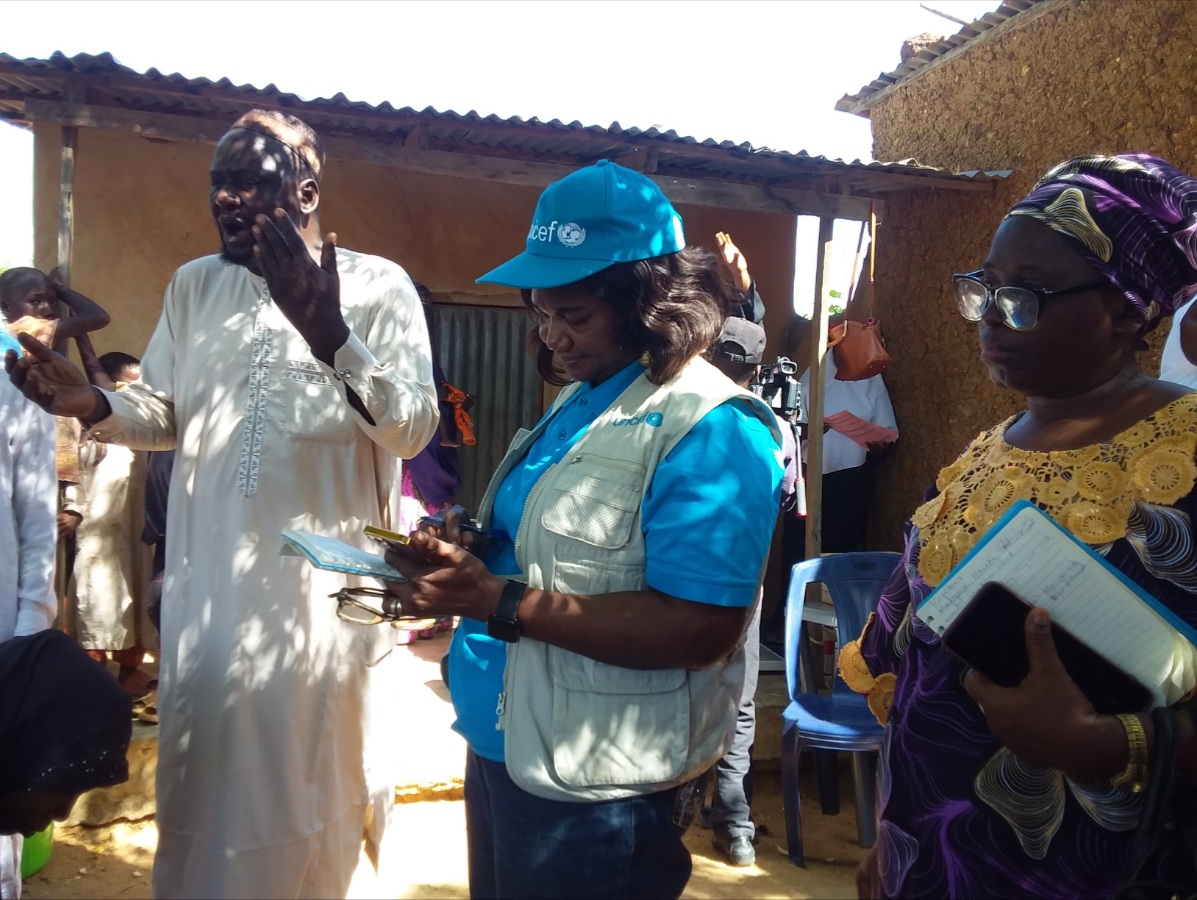
She however, called for more coordination at some of the sites, stressing the importance of providing water, toilets and more space for the children on sites.
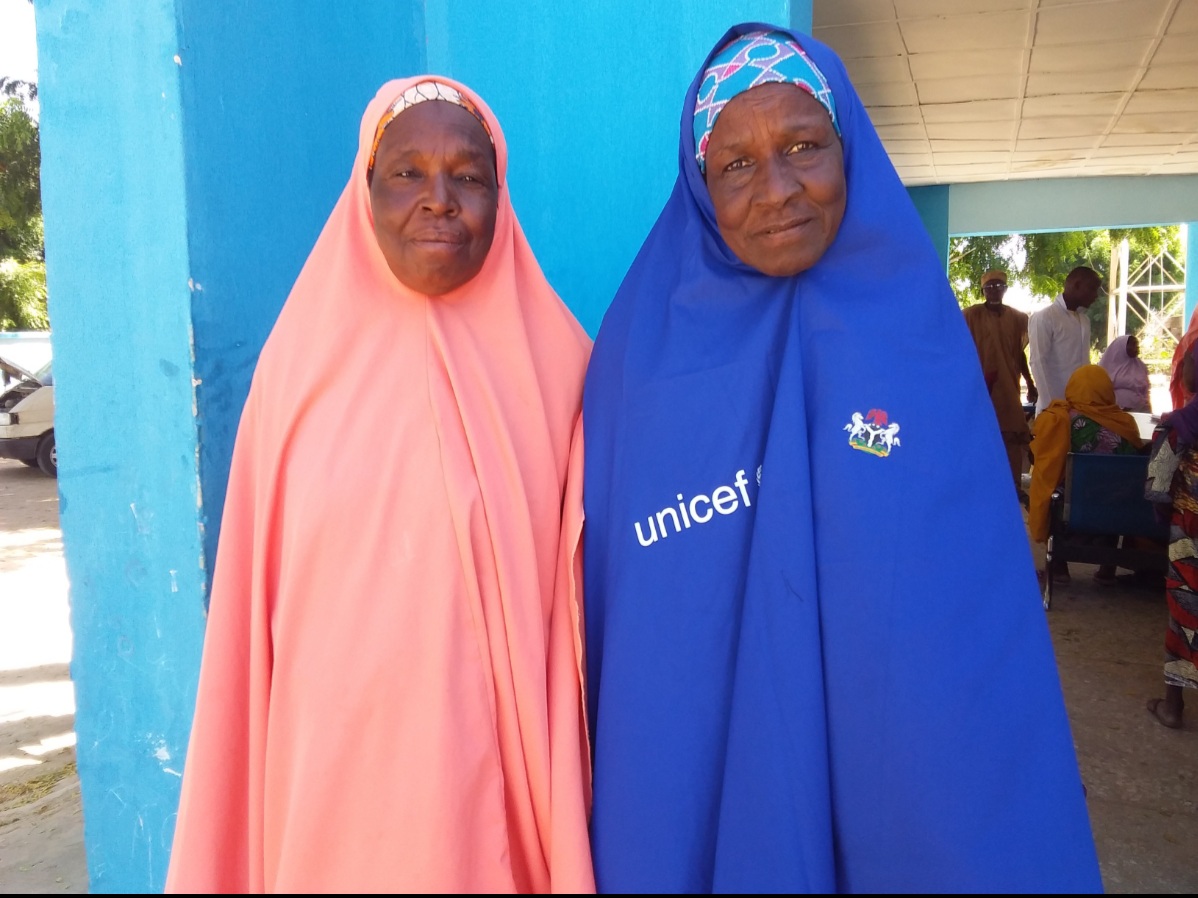
Some of the mothers who spoke on their experiences, admitted that the initiative is life changing and provided them with more hope.
For 25-year-old Umma Abdulhadi from Dabi community said she learnt how to prepare meals using local grains, groundnuts, and vegetables, saying that her initially malnourished twins are healthy through the program.
The ward head of Kudai community, Mr Idris Bala, said children in the area who were once on the brink of wasting are now thriving in school.
He claimed that husbands have begun to support their wives’ farming and nutrition efforts, while community leaders hold quarterly dialogues on child health and food security, an imdication that nutrition has become everyone’s business.
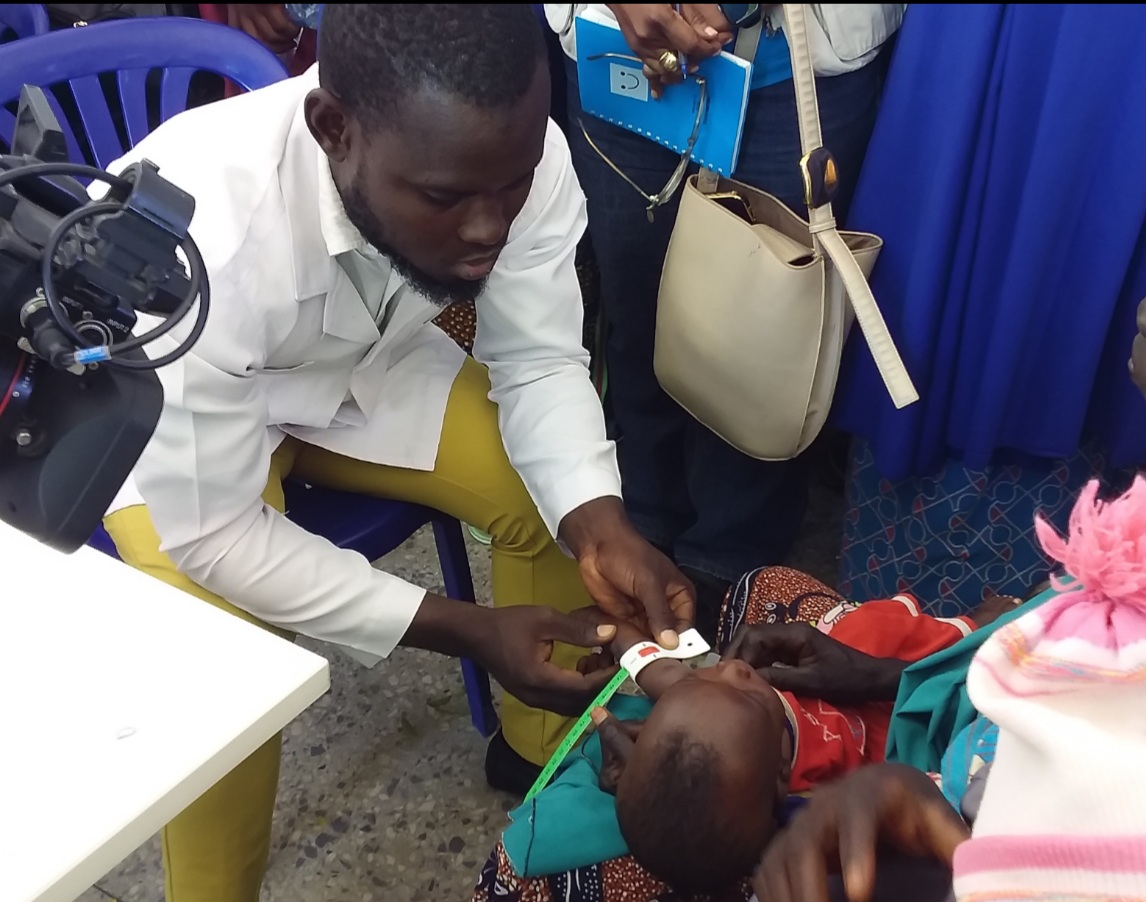
Mr Abdulrazak Babatunde, a Deputy Director with with the Kwara state Ministry for local government during the field trip, described Masaki as model for the nation.
He commended the resilience, commitment, support and the role played by local governments in Jigawa state to ensure the success of the community-led initiative.
Mr Abdulrazak said that scaling up grassroots models such as the Masaki, backed by strong political will, could accelerate Nigeria’s journey towards achieving the Sustainable Development Goals (SDGs) on zero hunger and good health.
In a nutshell, the fight against child malnutrition in Jigawa state, has become a movement, one powered by mothers, sustained by communities, and guided by evidence.
The lessons are clear that when people are empowered with knowledge and resources, they can nourish not only their children but the nation’s future.
The Masaki as confirmed by stakeholders, may have started small, but its ripple effect is spreading fast thus offering hope that one day, no Nigerian child will suffer simply because of what’s missing in their meals.
Aisha Ahmed writes from Dutse.
