


Nigeria – Saturday Oct. 25, 2025
By Dr Abdulrazak Ibrahim
After my recent guest appearance on the The Fitila Podcast, one recurring question from listeners was about biosafety-how safe are genetically modified or transgenic organisms, and how are they regulated in Nigeria?
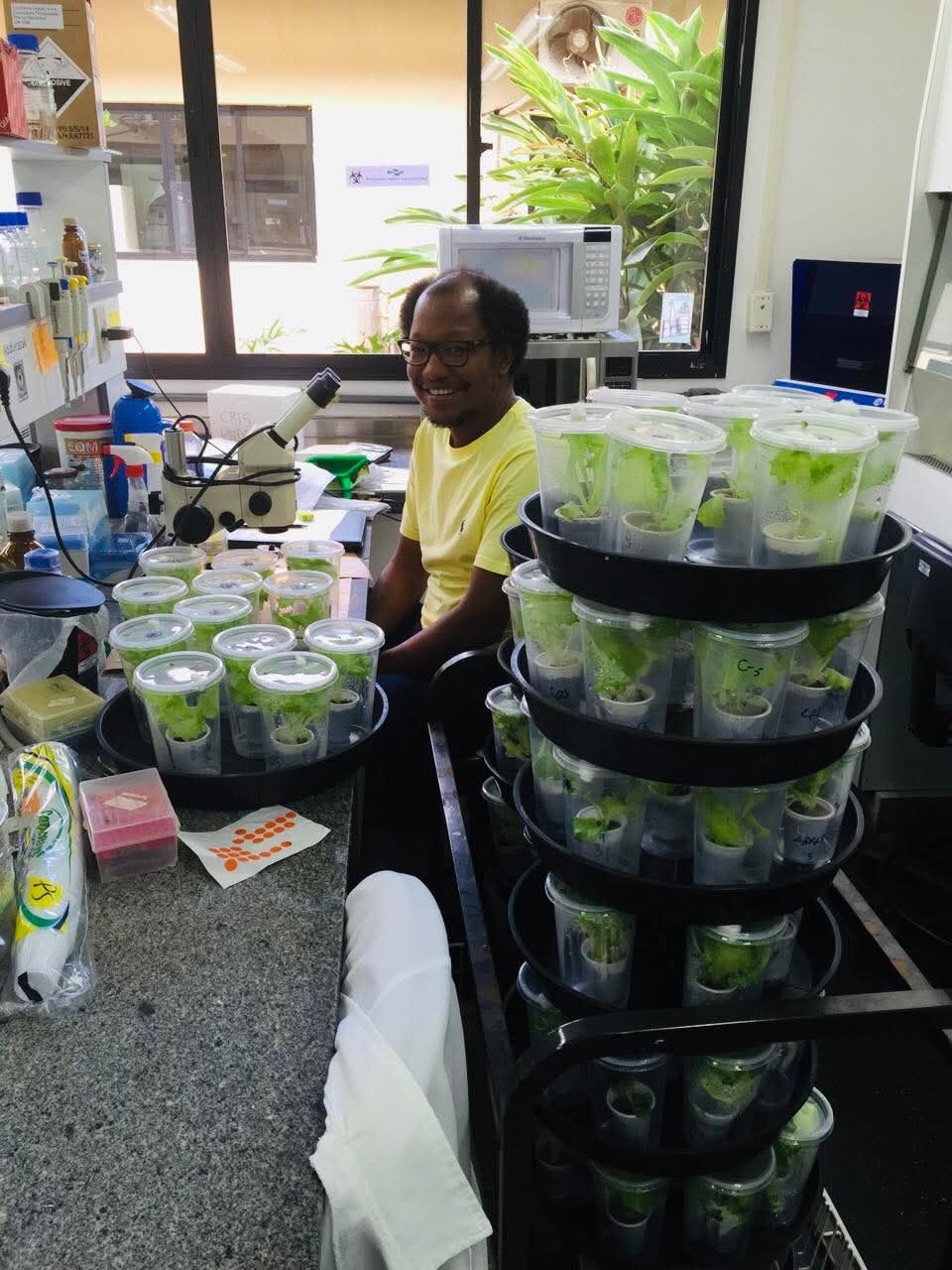
It’s an important question. Having spent my PhD years working on transgenic lettuce plants that used RNA interference (RNAi) to suppress whitefly genes, I understand both the promise and the responsibility that come with these technologies. Biotechnology, like any powerful tool, must be guided by science, ethics, and strong institutions.
For context, Nigeria currently has only four genetically modified crops approved for commercial cultivation-cotton, cowpea, maize, and soybean — and all are regulated under a well-established biosafety framework. The National Biosafety Management Agency (NBMA) established by the 2015 Act, serves as the competent authority ensuring that these technologies are safely developed, tested, and monitored in line with the Cartagena Protocol on Biosafety, which Nigeria ratified in 2003.
But my vision, and that of many in Africa’s emerging biotech space goes far beyond agriculture. We’re entering an era where biology becomes technology:
Biosensors and smart bio-devices that can monitor soil nutrients, optimize irrigation, or detect pathogens in real time.
Biofarming platforms to harvest enzymes, pigments, and metabolites from indigenous species that exist nowhere else on Earth.
Bio-nanomaterials that could convert solar or mechanical energy into power-fusing synthetic biology with green energy systems.
AI-integrated biofactories, where machine learning models guide metabolic pathways for precision fermentation, biofertilizers, and even carbon-capturing microbes.
These are not distant dreams-they’re the next frontier of sustainable innovation, and they will demand the same biosafety discipline that underpins today’s agricultural biotech.
The conversation, therefore, is not just about “GMOs or not,” but about how Nigeria (read Africa) positions itself to responsibly develop and own the science that will define the next industrial revolution-the bio-digital age.
One hopes that NBRDA Nigeria positions the country on that trajectory.
Dr Abdulrazak Ibrahim works for Forum for Agricultural Research in Africa (FARA)
